Loading…
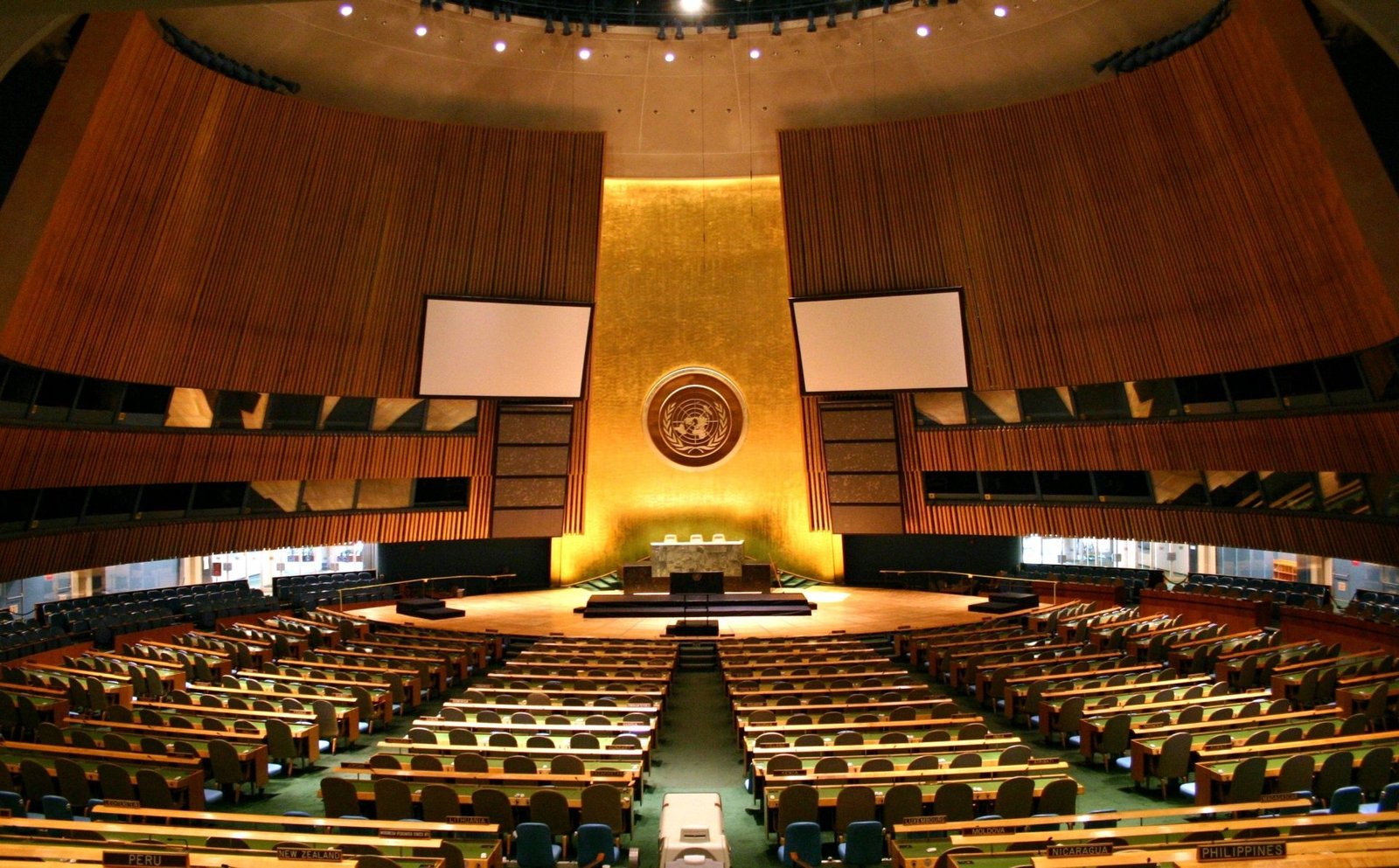
The United Nations General Assembly Hall in New York
Active Deployment REF. UN-DPO/2026 · 12 Mandates Open

Holding the Line Between War and Peace

For seven decades, UN peacekeeping personnel have stood between armed conflict and civilian life — deployed under Security Council mandate, funded by 193 member states, and stationed today across twelve of the world's most fragile environments.

0
Active Operations
0
Thousand Personnel
0
Member States
0
Years in the Field
Latest Dispatches
MINUSMA facilitated a fourth round of peace dialogue in Gao, Mali UNIFIL logged a 98% reduction in Blue Line violations this quarter UNMISS protection-of-civilians sites now sheltering 189,000 people MINUSCA supported the certification of 850 newly trained officers Open Data Portal published Q2 deployment and budget figures MINUSMA facilitated a fourth round of peace dialogue in Gao, Mali UNIFIL logged a 98% reduction in Blue Line violations this quarter UNMISS protection-of-civilians sites now sheltering 189,000 people MINUSCA supported the certification of 850 newly trained officers Open Data Portal published Q2 deployment and budget figures
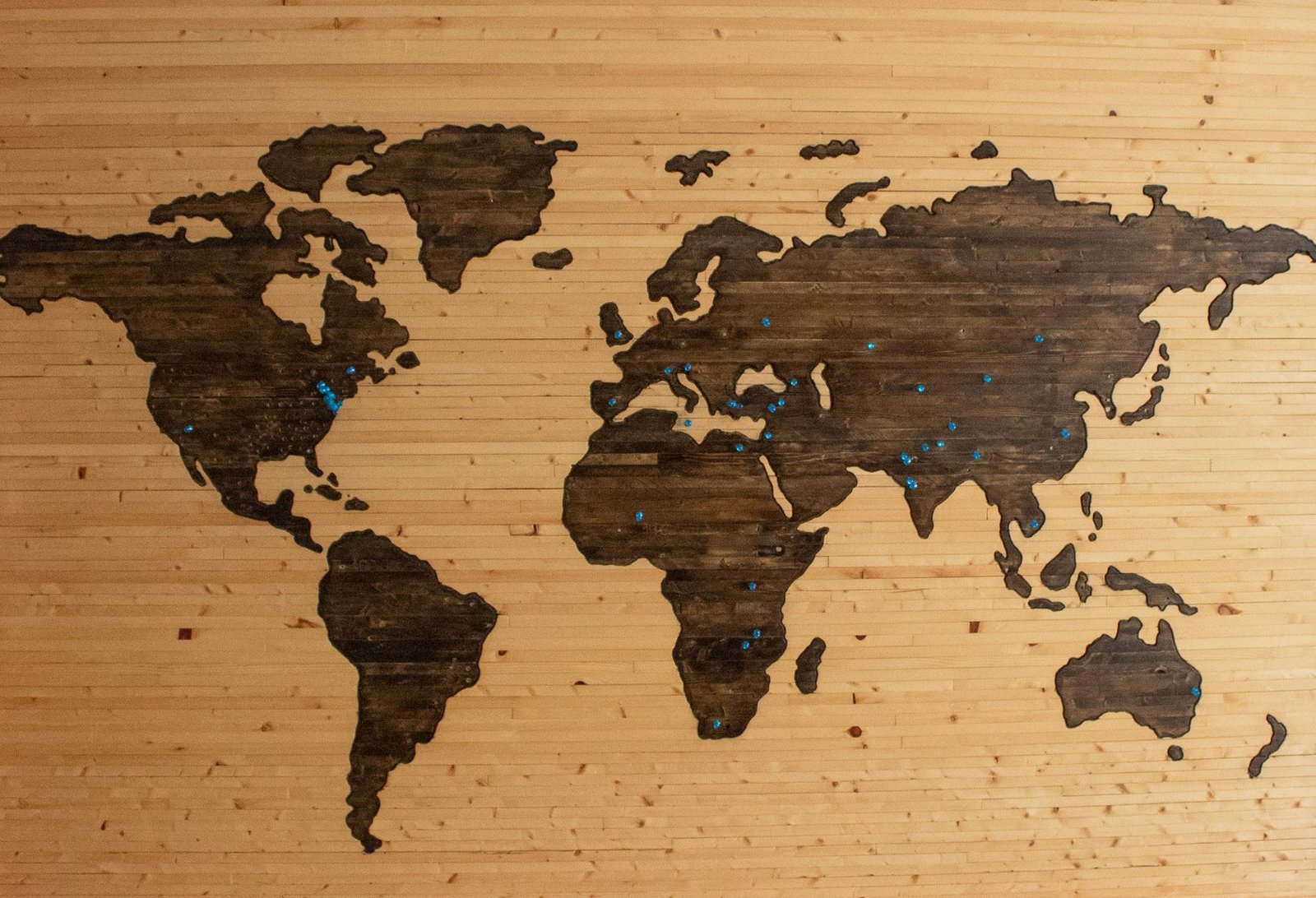
A wall-mounted world map marked with pins tracking field locations
Fig. 01 — Deployment tracking, field headquarters
Est. 1948 · Charter Ch. VI & VII

Consent, Impartiality, Restraint

UN peacekeeping is not an army. It is a mandate — authorized by the Security Council, resourced by member states, and carried out by personnel who deploy unarmed or lightly armed between hostile parties so a ceasefire has time to become a peace.

Since the first unarmed observers deployed to the Middle East in 1948, the operation has grown into the largest multinational deployment of uniformed personnel in the world — a rotating force of soldiers, police officers, and civilian specialists drawn from more than 120 troop- and police-contributing countries.

$6.4BAssessed Annual Budget
0.5%Of Global Military Spend
PRIN. 01

Impartiality

Neutrality toward every party, upheld strictly under the terms of the UN Charter.

PRIN. 02

Consent

Operations proceed with the agreement of the host state and the principal conflict parties.

PRIN. 03

Minimum Force

Force is authorized only in self-defense and in defense of the mandate.

PRIN. 04

Protection

Civilian protection stands as the paramount priority across every operation.

Active Mandates · Updated Quarterly

Twelve Operations, One Standard

Each mission below operates under its own Security Council resolution, chain of command, and troop composition — held to the same rules of engagement and the same duty of civilian protection.

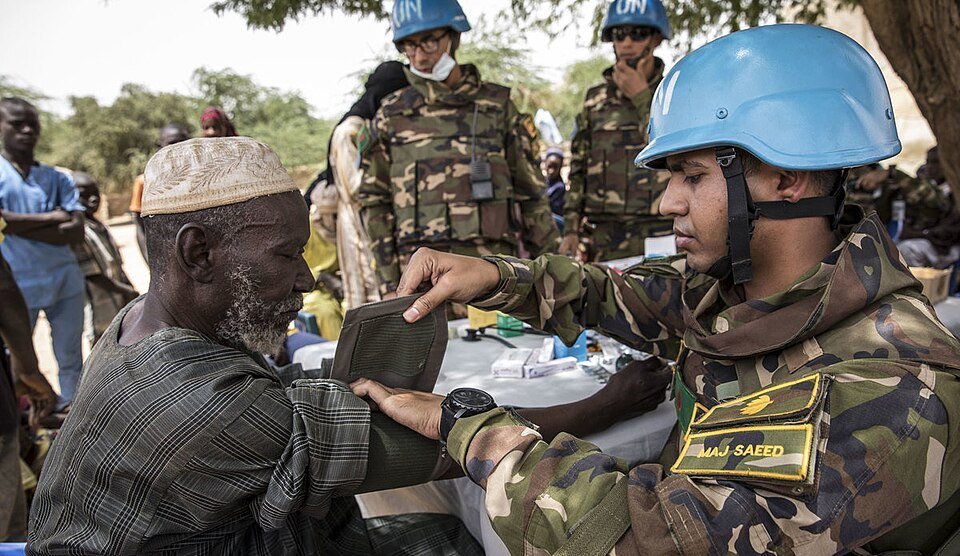
A Bangladeshi peacekeeper assists an elderly resident at a field clinic in northern Mali Active
Mali Since 2013

MINUSMA — Mali Stabilization

Multidimensional mission supporting political processes, protecting civilians, and facilitating humanitarian access across northern Mali's conflict-affected regions.

Field Brief
Deployment zones —
Gao, Kidal, Timbuktu, Mopti, Ménaka (5 sectors)
Command —
Force headquarters, Bamako
Mandate —
S/RES/2640 (2022)
Composition —
13,289 military, 1,920 police, 56 contributing nations
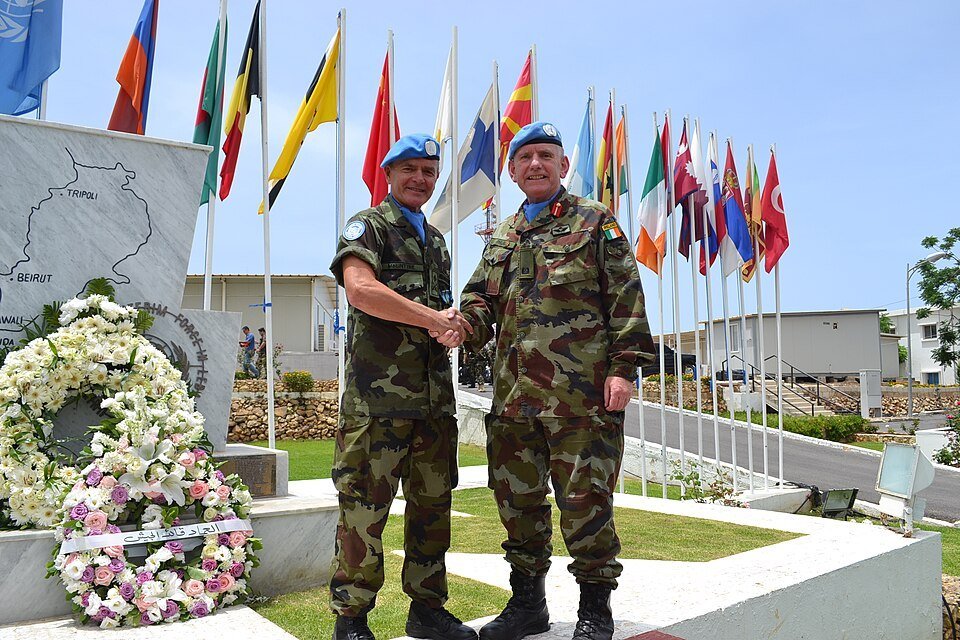
UNIFIL commanders shake hands beside a memorial wreath and contributing-nation flags Active
Lebanon Since 1978

UNIFIL — Blue Line Monitoring

Monitoring the cessation of hostilities, supporting the Lebanese Armed Forces, and preserving humanitarian access along the Blue Line and Litani River.

Field Brief
Deployment zones —
South Litani River, 83 Blue Line positions
Command —
Force headquarters, Naqoura
Mandate —
S/RES/2695 (2023)
Composition —
9,800 military, 700 civilian, 48 contributing nations
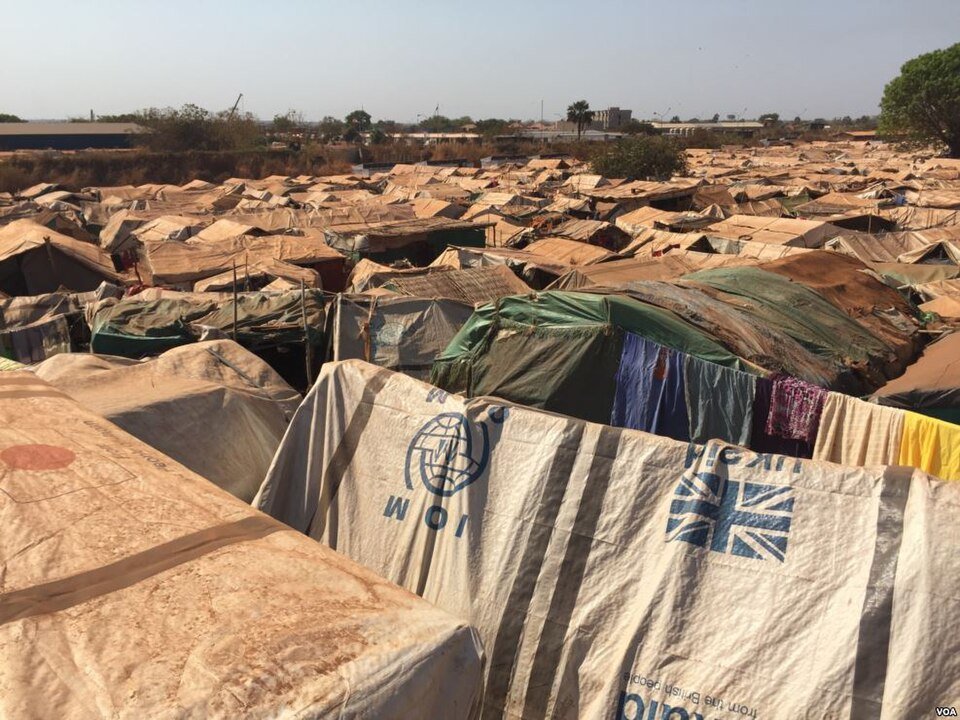
An aerial view of a protection-of-civilians tent settlement in Wau, South Sudan Active
South Sudan Since 2011

UNMISS — Civilian Protection

Protecting civilians, facilitating humanitarian delivery, and supporting the peace agreement's implementation across seven protection-of-civilians sites.

Field Brief
Deployment zones —
Juba, Bentiu, Malakal, Wau, Bor
Command —
Special Representative, Juba
Mandate —
S/RES/2677 (2023)
Composition —
17,000 military, 2,000 police, 73 contributing nations
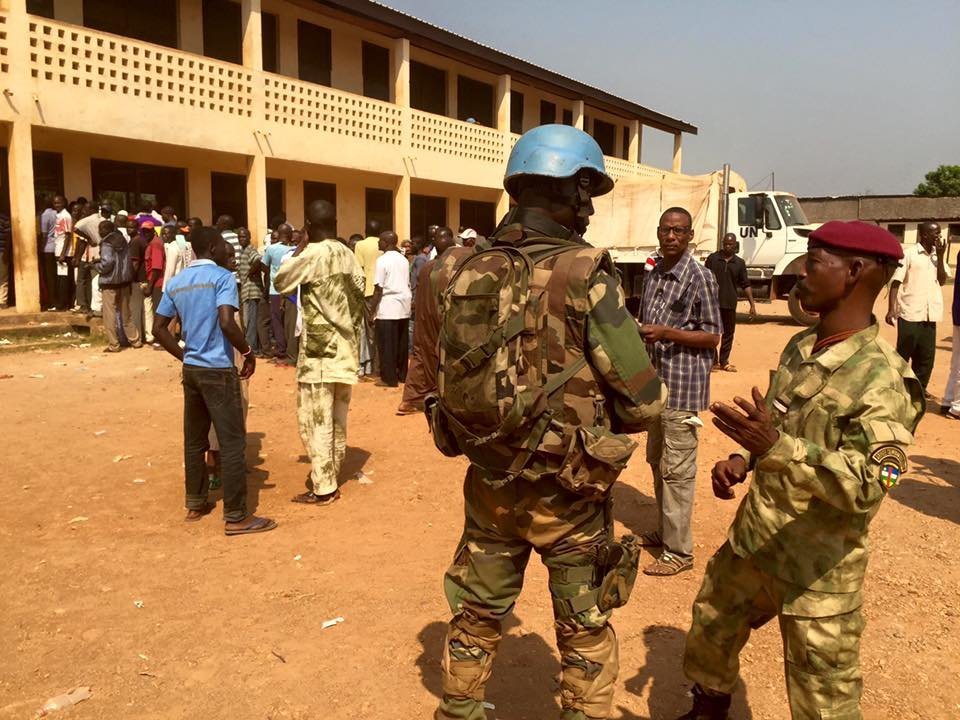
A peacekeeper confers with local security forces outside a school in Bangui, Central African Republic Active
Central African Republic Since 2014

MINUSCA — CAR Stabilization

Supporting transitional authorities, protecting civilians, and promoting human rights across a country still rebuilding its core institutions.

Field Brief
Deployment zones —
Bangui, Bambari, Birao, Kaga-Bandoro (14 bases)
Command —
Special Representative, Bangui
Mandate —
S/RES/2659 (2022)
Composition —
12,870 military, 1,958 police, 54 contributing nations
Forces & Structure

Who Serves, and How They're Organized

Military, police, and civilian personnel serving across twelve operations, drawn from 123 contributing member states.

71,289 Military Personnel
11,048 Police Officers
4,821 Civilian Staff
123 Contributing Nations
Top Troop-Contributing Countries · 2024
Flag of Bangladesh
Bangladesh6,861 troops
Flag of Nepal
Nepal5,699 troops
Flag of India
India5,406 troops
Flag of Rwanda
Rwanda5,263 troops
Command Structure
DIV. 01

Executive Leadership

Department of Peace Operations

Strategic oversight for twelve active missions, coordinating personnel against an annual operational budget of $6.4 billion.

DIV. 02

Field Command

Military Operations Division

71,289 military personnel organized into mission-specific force commands and battalion task forces.

DIV. 03

Law Enforcement

UN Police Division

11,048 officers building local policing capacity and supporting post-conflict justice sector reform.

DIV. 04

Mission Leadership

Special Representatives

A Special Representative of the Secretary-General leads each mission, unifying its civilian, military, and police components.

By the Numbers

Seven Decades of Measured Impact

Financial and human-scale figures spanning the full history of UN peacekeeping, from its first deployment in 1948 to today.

$6.4B
Annual Budget, 2024

Roughly 0.5% of global military spending sustains operations across twelve active conflict zones.

71
Missions Since 1948

From the first observers in the Middle East to current operations spanning Africa, Asia, and Europe.

2M+
Personnel Served

Military, police, and civilians who have served under the UN flag since peacekeeping began.

4,200+
Peacekeepers Lost

Honored through the Dag Hammarskjöld Medal, awarded posthumously in service of international peace.

1988
Nobel Peace Prize

UN Peacekeeping Forces received the Nobel Peace Prize for their contribution to reducing global tensions.

100M+
Lives Touched

Estimated civilians protected, fed, sheltered, or otherwise supported across seven decades of operations.

Regional Distribution of Personnel · 2024
Africa
58%
Middle East
24%
Europe & Balkans
10%
Asia-Pacific
8%
Institutional Memory

Seven Decades in the Field

A short chronology of the doctrine, mandates, and turning points that shaped peacekeeping into what it is today.

1948

1948 —UNTSO, the First Mission

Unarmed military observers deploy to the Middle East as the UN Truce Supervision Organization — the founding operation and template for every mission that follows.

1956

1956 —UNEF I and the Founding Principles

The Suez Crisis produces the first armed peacekeeping force, developed by Secretary-General Dag Hammarskjöld and Lester Pearson — establishing consent, impartiality, and non-use of force as doctrine.

1988

1988 —The Nobel Peace Prize

UN Peacekeeping Forces are awarded the Nobel Peace Prize, recognizing their contribution to reducing tensions in conflicts worldwide.

2000

2000 —The Brahimi Report

A landmark review calls for more robust mandates, better resourcing, and realistic expectations — reshaping operational doctrine for the two decades that follow.

2015

2015 —The Sustaining Peace Agenda

Twin resolutions from the General Assembly and Security Council embed conflict prevention across the full peace continuum, not just its aftermath.

Today

Today —Twelve Operations, One Standard

Roughly 87,000 personnel remain deployed across twelve missions, with 193 member states contributing troops, police, funding, or expertise.

Analytics

Mission Impact Dashboard

Deployment trends and resource allocation, drawn from quarterly reporting across all active operations.

Operations by Region

Personnel Deployment Trend

Mandate Renewal Rate, 2024

Resource Allocation

Operational Capability

Instruments of a Modern Mandate

Field operations increasingly rely on the same instruments as any modern logistics or intelligence effort — deployed here in service of civilian protection.

Geospatial Intelligence

Satellite imagery, drone survey, and GIS mapping give field commanders situational awareness across vast operational theaters.

  • Real-time satellite monitoring
  • UAV reconnaissance
  • 3D terrain modeling

Secure Communications

Encrypted networks and mobile command centers keep headquarters, field missions, and partner organizations in continuous contact.

  • Military-grade encryption
  • Satellite phone networks
  • Mobile command units

Data & Early Warning

Structured reporting and predictive modeling help missions anticipate flashpoints and route resources before a crisis peaks.

  • Conflict trend modeling
  • Resource optimization
  • Automated incident logging

Medical Capability

Telemedicine links and mobile surgical units extend advanced diagnostics to remote field hospitals.

Information Security

Threat detection and secure data management protect mission infrastructure from interference.

Community Liaison

Local liaison officers and community-engagement teams keep protection plans grounded in resident input.

Environmental Standards

Solar power and water purification reduce each base camp's footprint on the communities that host it.

Field Dispatches

Notes From the Mission Area

Short-form updates filed directly from operational headquarters, published as they clear review.

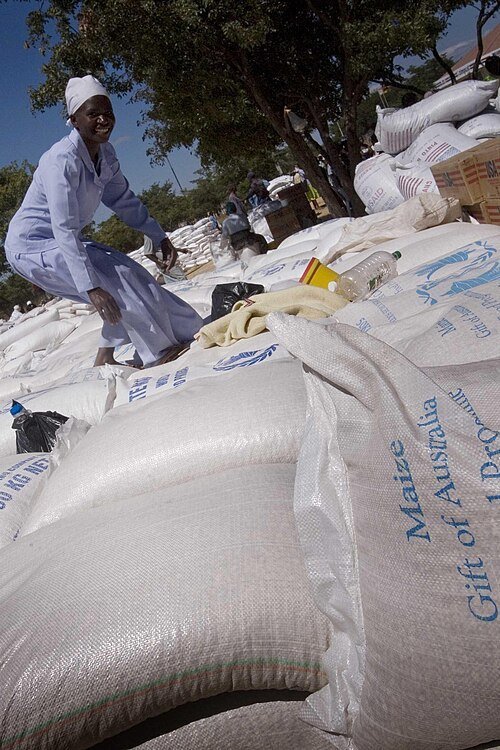
Humanitarian food aid stacked at a distribution point

Fourth Round of Peace Dialogue Concludes

MINUSMA's civil affairs team closed a fourth round of community dialogue between herding and farming communities, reducing reported land disputes by a third since January.

Protection Site Reaches Capacity Review

UNMISS engineers began a capacity review of the Wau protection-of-civilians site, now sheltering close to 30,000 residents, ahead of the coming rainy season.

Blue Line Patrols Log Record Quarter

UNIFIL logged 2,847 coordinated patrols with the Lebanese Armed Forces this year, contributing to the lowest rate of Blue Line violations on record.

Disarmament Program Certifies New Cohort

MINUSCA's disarmament and reintegration program certified 850 former combatants into civilian trade programs across four prefectures this quarter.

Reference Library

Documentation & Public Resources

Reports, training materials, policy guidance, and press resources published for public and researcher access.

Annual Reports

Yearly assessments of global operations with statistical analysis and mission performance metrics.

  • 2024 Annual Peacekeeping Report
  • Global Operations Statistical Review
  • Budget & Financial Transparency Report
Download Reports

Training & Education

Professional development, certification tracks, and training modules for military, police, and civilian personnel.

  • Peacekeeping Officer Certification
  • Civilian Protection & Human Rights
  • Crisis Management & Negotiation
View Programs

Policy & Guidelines

Operational frameworks, standard procedures, and safety protocols governing deployments worldwide.

  • Peacekeeping Operations Handbook
  • Rules of Engagement Framework
  • Humanitarian Law Guidelines
Access Documents

Research & Publications

Academic research, policy papers, and case studies on conflict resolution and peacekeeping effectiveness.

  • Conflict Prevention Strategies
  • Women, Peace & Security
  • Climate & Security Nexus
Browse Research

Media & Press

Press releases, photo galleries, and official statements filed from peacekeeping operations worldwide.

  • Official Press Releases
  • Field Mission Photo Galleries
  • Peacekeeper Testimonials
Media Center

Educational Materials

Teaching resources, fact sheets, and educational content for students, educators, and the public.

  • Interactive Mission Maps
  • Peacekeeping History Timeline
  • Student Research Guides
Learning Hub
Join the Effort

Public Records Are Open by Design

Search deployment records, mandate documents, and personnel statistics through the public information portal.